Sometimes we have trouble praying for long. We know not only distractions but simply an inability to pray. Or so it seems. Perhaps, though, the problem sometimes arises by seeking only one kind of prayer, rather than being open to a larger variety of prayer. I think this really happens to us.
I think Saint Augustine touches on this when, in one of his letters, he writes:
To spend much time in prayer is to knock with a persistent and holy fervour at the door of the One whom we seek. This task is generally accomplished more through sighs than words, more through weeping than speech.
When the saint says “words,” here he means both vocal words and mental words; he also means imaginings, pictures painted in the mind, and distinct thoughts about different aspects of the mysteries of salvation. It is not by these that, in the end, long prayer can be sustained. It is by a different kind of prayer, where words are (so to speak) surpassed after having been tried. We sigh or weep, for we cannot express all that an infinite God is, yet we wish to remain with him.
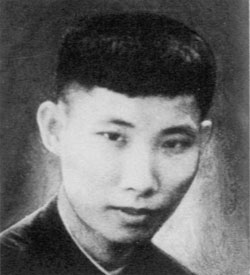 Marcel Văn might add to this that it is not only sighs and weeping that may extend prayer, but simply and also desire. If we weep without a real desire, felt or unfelt, for God, it is just tears. If we sigh without a real longing for the One we week, it is just a sound. But when desire to approach God the more and to continue to do his Will (in all the aspects of it which are known to us) is united to an inability to form words or, to concentrate mentally on one aspect of salvation after another, then we are talking precisely about the transition from meditative prayer to contemplative prayer.
When God makes that transition possible for us, by simplifying our mental prayer to the point that it seeks only to stare at God with love (and its sighs and weeping, as they occur) – then we have every right, and in some sense a duty, to accept the offer. This contemplative prayer is better. It throws us deeper into God to obtain more virtue and love for God and neighbour. Not only that. But as Saint Augustine says, this contemplative prayer is the kind that lets us stay the longer with our God.


 Contemplative in the Mud