
I’ve recently been giving thought to the Gospel injunction and promise, “Whenever you pray, go into your room and shut the door and pray to your Father who is in secret; and your Father who sees in secret will reward you” (Mt 6:6 NRSV). In context, Jesus is clearly showing the difference between praying publicly so as to be noticed and get a reward in society, and praying privately so as to mean it and be rewarded by God.
But what if I don’t really want a “reward” for myself? Or rather, what if I don’t want to keep my reward to myself? What if I want to give it to others? What if I’m thinking of doing some good work or being busy in the world or shuffling down the muddy highways? Do I still need to go to my room, shut the door, and pray in the silence?
I think yes – emphatically yes.
Even if we are going to be active or even if we are going to spend time thinking of Jesus in public, we need time in private.
It is in private that we can be stripped down and rebuilt. It is in private that we can meet God and be refashioned. Because, at the end of the day, it is the reshaping by God that matters the most. God is infinitely above our capacities. What he does to us is infinitely above what we can do by ourselves. If he works on us in private and builds a more divine and consecrated self for us, then we have that new, consecrated self to give to our neighbours.
But these are my words. Blessed Charles de Foucauld – a saint sometimes confused with a desert hermit, but who actually loved the silence of the desert because it let him give so much more to the multitude of people he met – reflects in this way:
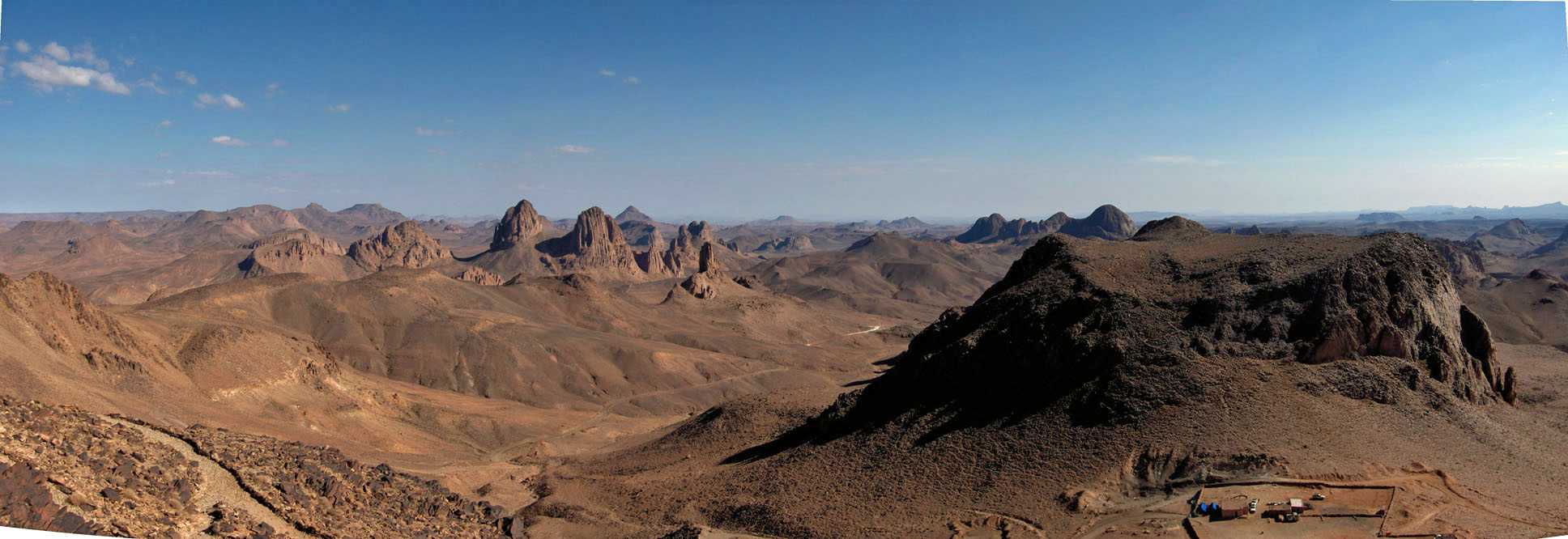
It is necessary to enter the desert and remain there a while in order to receive the grace of God. It is in the desert that we empty ourselves, that we chase away all that is not God, that we completely empty out the little house of our souls so that God alone may fill it… It is indispensable… It is a time of grace… It is a period through which any soul that wishes to bear fruit must pass. Silence, recollection, and withdrawal from the world are the means which God uses to form the inner spirit and establish his reign within us. Intimacy with God… Conversation between the soul and God in faith, hope, and love…
Later, the soul will bear fruit to the same extent that it has been inwardly formed. If the inner life is non-existent, there will be no fruit despite all the zeal, good intentions, and work. It wants to impart holiness to other but cannot, not having it to give. One can only give that which one possesses. It is in solitude – alone with God alone, in the profound recollection that leaves all behind to live alone in union with God – that God gives himself completely to the one who gives himself completely to God.
Let God form us inwardly. That is how we can bear fruit. If the tree is good, the fruit will be good. The greatest gifts we can give come from our very self; the fullest gift we can give is our very self, not our actions. If our self is not as new as God wants it to be, what is the point in offering to give it away?


 Contemplative in the Mud